Wearable Tech Research Study
UX research for a B2B wearable technology product, improving task success through behavioral insights.
Project Overview
Client/Company: Blink UX (in partnership with Fortune 500 Tech Company)
Product: Wearable Technology Product
Role: UX Researcher
Timeline: May 2024 - January 2025 (9 months)
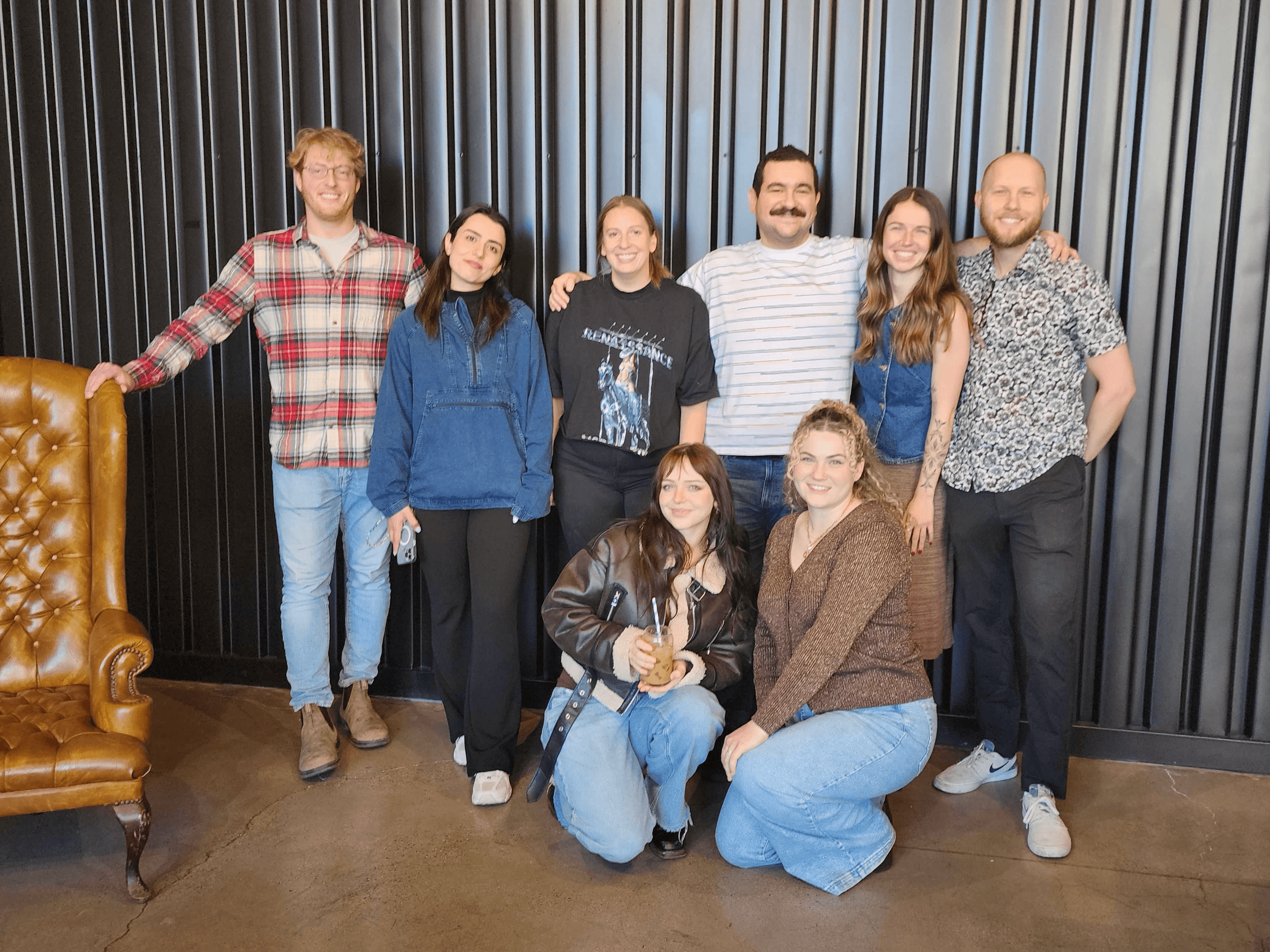
Team: Lead Researchers, Designers, Product Managers, Fortune 500 Tech Stakeholders
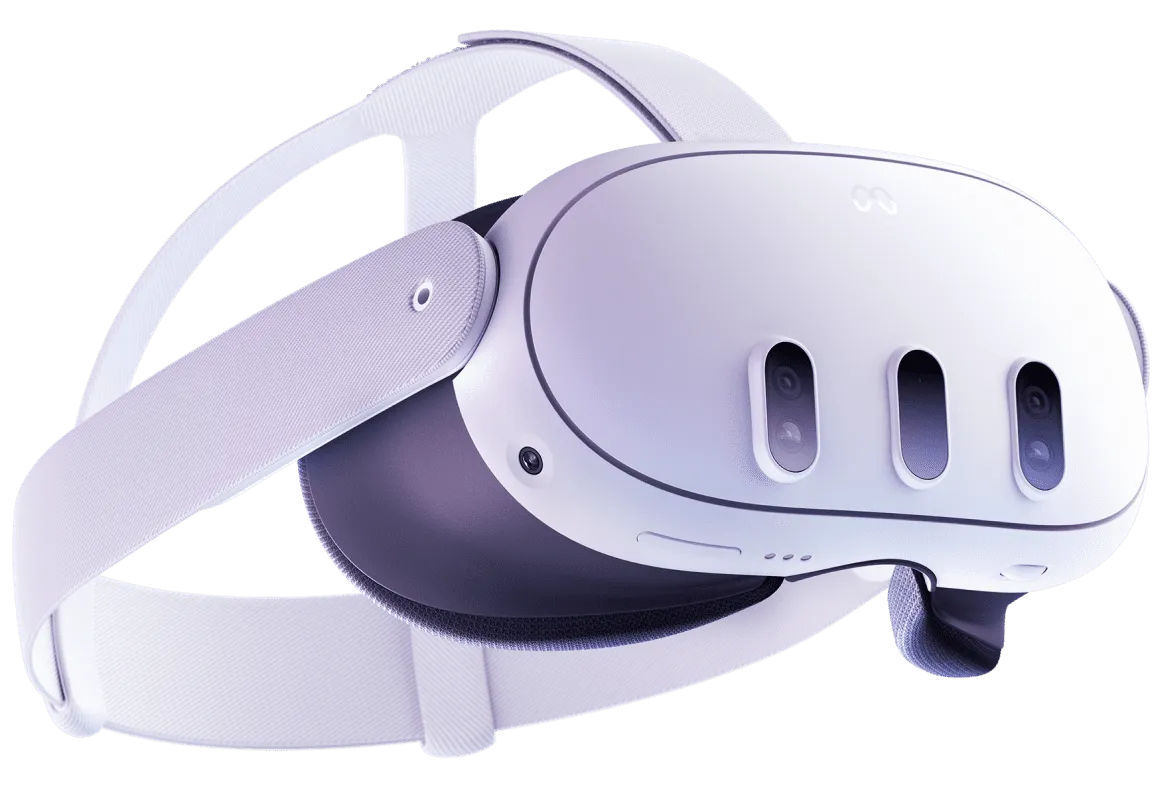
Blink UX partnered with a Fortune 500 Tech company to evaluate and improve the usability of a wearable technology product. The goal was to uncover how real users interacted with immersive hardware and translate those behaviors into actionable insights that would guide product decisions and long-term experience improvements.
The Problem
As wearable technology hardware becomes more powerful, its success increasingly depends on how intuitive and accessible the experience feels to users.
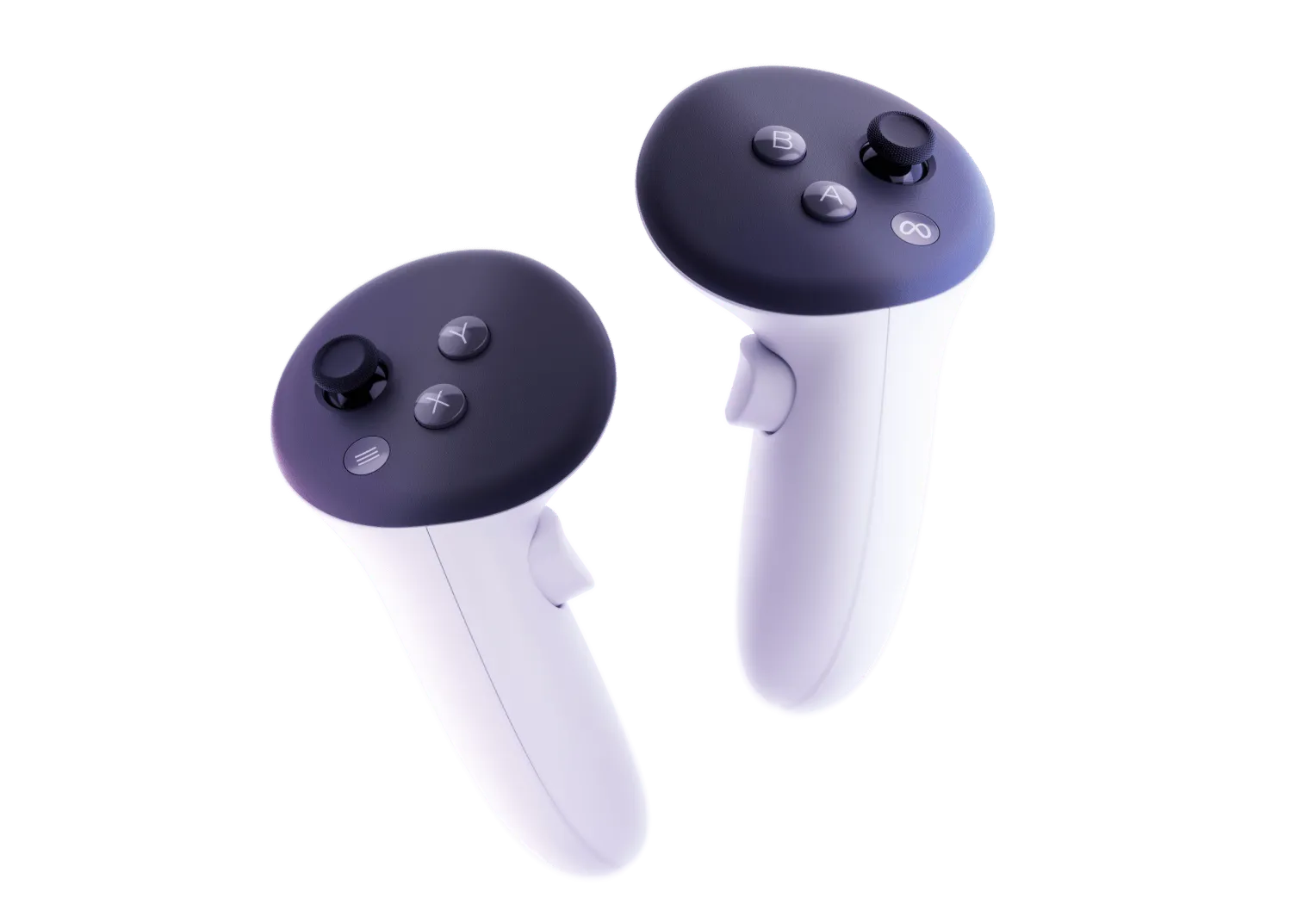
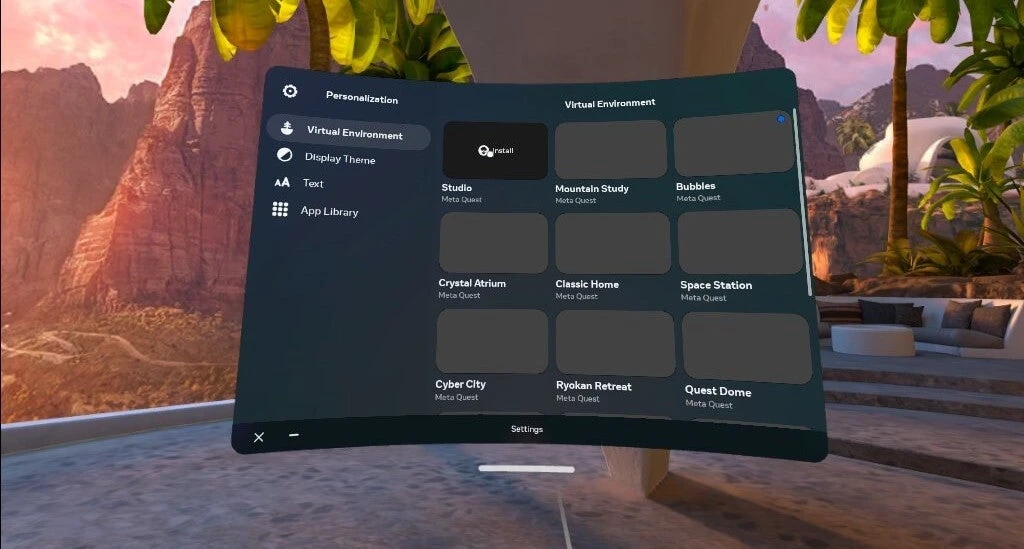
While wearable technology products offered advanced capabilities, users were encountering friction during core interactions — particularly around hand controls, gesture-based input, and navigating within immersive environments.
Business + User Tension:
Our Fortune 500 client needed reliable behavioral insights to refine the product, while users needed an experience that felt natural, comfortable, and easy to learn in order to fully engage with the technology.
What I Did
Research
I supported large-scale UX research for the VR headset, working in a fast-moving, cross-functional environment alongside designers, researchers, and product stakeholders.
My responsibilities included:
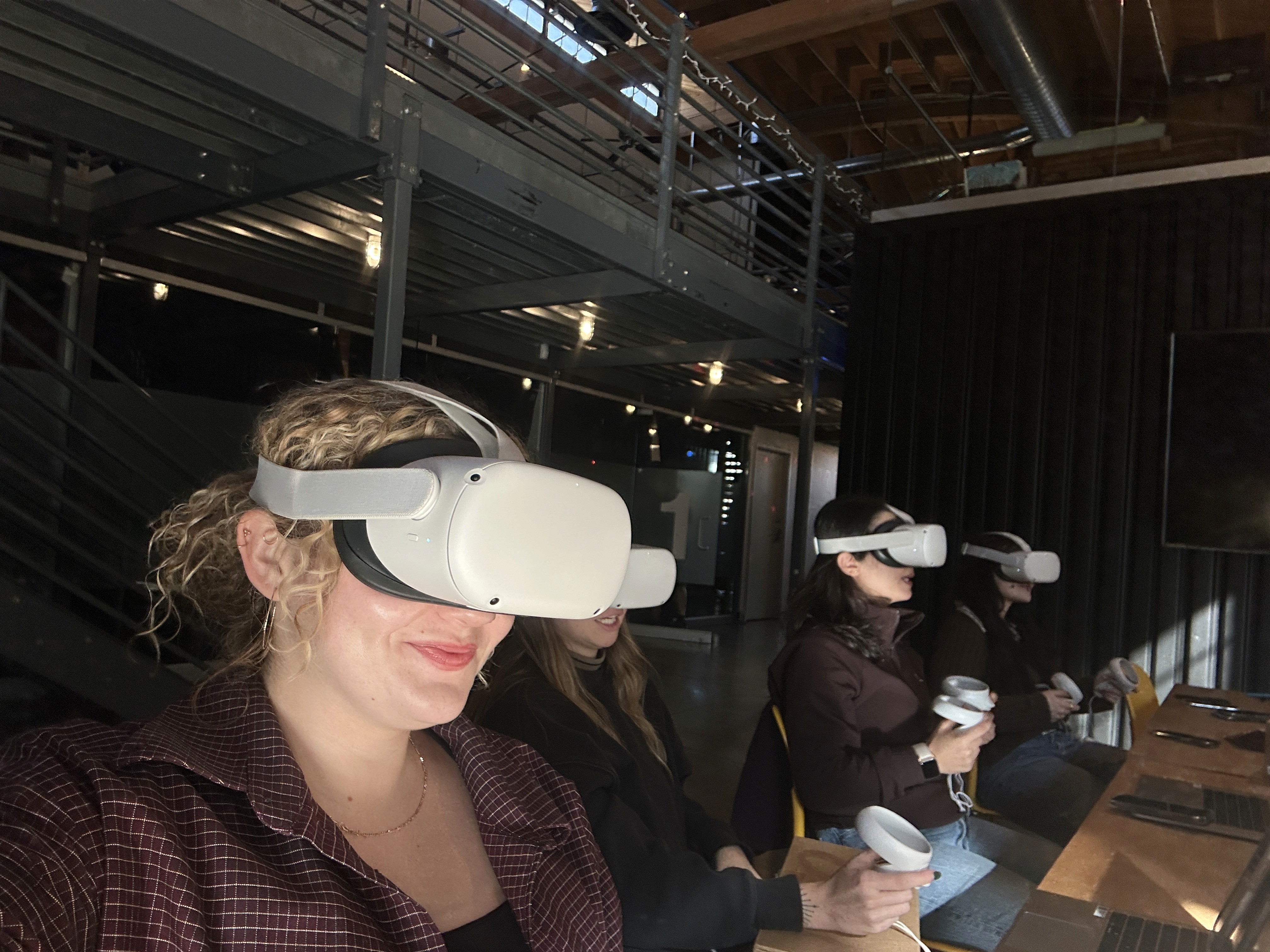
Facilitating 120+ in-person and remote VR usability sessions
Ensuring participants were comfortable using immersive hardware
Observing and documenting real-time user behaviors
Capturing detailed research notes during sessions
Supporting both qualitative and quantitative analysis using Qualtrics
UX Strategy
My strategy focused on:
Identifying friction points in gesture-based controls and physical interactions
Understanding how different user groups adapted to immersive technology
Prioritizing issues that directly impacted task success and learning curves
Translating behavioral patterns into product-ready insights
Deliverables
Research summaries and insights reports created using GoogleDrive
Highlighted usability issues and behavioral patterns presented in Miro
Actionable recommendations for product and design teams
Client-facing presentations for Fortune 500 stakeholders
Research Methods
To evaluate the wearable tech experience, we used a mixed-methods approach combining:
Moderated wearable tech usability testing
In-person immersive sessions
Behavioral observation
Task success and failure tracking
In-session survey tracking via Qualtrics
Qualitative and quantitative synthesis
Participants included teens and adults interacting with the headset in simulated real-world environments, allowing us to capture both performance metrics and experiential feedback.
Process
Before sessions, I collaborated with Lead Researchers and Project Managers to review protocols, prepare materials, and ensure testing environments were ready.
During sessions, I:
Prompted participants to complete a set of tasks, following up with a set of qualitative and quantitative questions after each task
Helped troubleshoot hardware discomfort or confusion without guiding the participant
Captured high-fidelity behavioral notes in real time
Flagged recurring usability issues as they emerged
After sessions, I:
Organized findings
Analyzed trends in Qualtrics
Helped transform raw data into clear stories and product recommendations
This process ensured our insights were grounded in real user behavior and immediately usable by product teams.
Key Findings
Across sessions, several patterns consistently emerged:
Users failed tasks more often due to improper or unintuitive hand control utilization
Many breakdowns were not caused by lack of user knowledge, but by unclear system feedback
Adults struggled more than younger users to adapt to gesture-based controls
Small changes in control mapping and visual cues significantly improved task success rates
These insights highlighted how critical physical interaction design is in immersive products.
Impact
The findings were presented to the Fortune 500 stakeholders and used to inform improvements in the wearable technology’s interaction model and usability.
By grounding product decisions in behavioral evidence, the team was able to:
Reduce task failure rates
Improve the learnability of hand controls
Support long-term experience improvements for future iterations
Learnings
This project deepened my understanding of UX research for emerging technologies and enterprise products.
Key takeaways:
Gained hands-on experience conducting large-scale usability research
Learned how to translate complex behavioral data into product-ready insights
Built confidence collaborating with cross-functional teams and presenting findings to high-level stakeholders
Developed a stronger appreciation for how physical interaction design shapes user experience in immersive environments
Thank you for reading!
Copyrights 2026 — All rights reserved